
Total Mercury in Wild Bamboo from Sichuan, China:
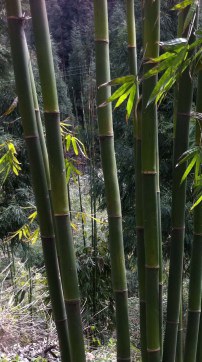 The leaves and culms from the wild bamboo plant (Fergesia robusta) were collected at three sites near the China Conservation and Research Center for the Giant Panda (CCRCGP) in the Sichuan province of China and analyzed for total mercury (THg). The highest mean concentration of THg from all samples was found in the leaves (79.39ng/g) in comparison to the culms (9.91 ng/g) dry weight (dw). Bamboo collected near the panda base, 6 miles from Ya’an city center, contained the lowest mean THg concentration in leaves (60.23ng/g dw) but the second highest culm concentration (9.93 THg ng/g dw). The second site at 4.5 miles from Ya’an city center contained the highest mean concentration in the leaves but the lowest mean concentration in the culms, 93.6 and 8.66 THg ng/g dw respectively. The site closest to Ya’an, at 3 miles from city center had the second highest mean concentration in leaves and the highest mean culm concentration, 84.36 and 11.16 THg ng/g dw respectively.
Hg & MeHg in Captive Giant Pandas: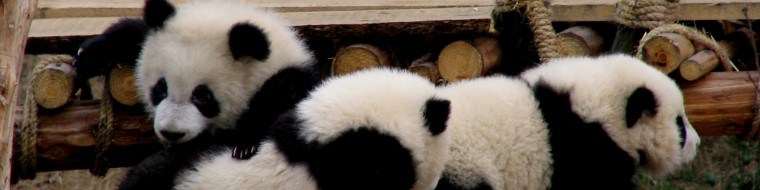
In response to the level of mercury found in bamboo from Sichuan, China, we proposed a study to the CCRCGP to further analyze bamboo that will be fed to the pandas and also panda hair. Bamboo samples will be analyzed for total mercury as was done previously, and panda hair will be analyzed for both mercury and methylmercury, which is the organic and highly toxic form of elemental mercury. This study is currently taking place in Ya’an, China, and we expect to have results within the year.
 Total Mercury in Antarctic Notothenioids:
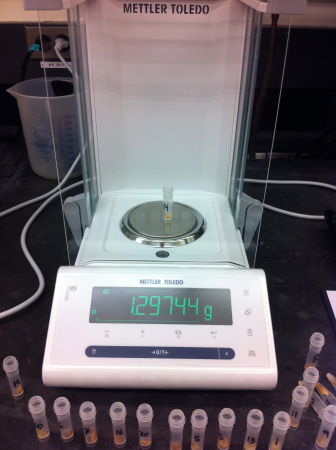
In collaboration with the Buckley lab at Portland State University and the Gundersen lab at Pacific University, PDX Wildlife is analyzing five species of Notothenioids that were collected in the Ross Sea off the coast of Antarctica for total mercury. Antarctica is relatively uninhabited but still has multiple pollutants that deposit in its environment due to atmospheric deposition. In short, what goes up in the air where we live can end up anywhere. We are currently publishing these results.